

Busan has a way of feeling instantly livable. It’s a port city with beach weather one moment, hillside alleyways the next, and a subway system that makes exploring surprisingly low-effort—even if you’ve just landed in Korea for the first time.
If you’re staying in a guesthouse, you’re already set up for the best version of Busan: mornings that start slow, afternoons that move neighborhood to neighborhood, and evenings that end with seafood, sizzling street snacks, or a seaside walk you didn’t plan but won’t forget.
Key Takeaways
- Pick one “sea day” (beach + coastal walk) and one “city day” (markets + viewpoints) to avoid rushing.
- Use the subway for distance, then switch to buses or walking for the last scenic stretch.
- Carry cash for market stalls and small snack counters, but expect cards to work almost everywhere else.
- Guesthouse life is social—join a group dinner or walking meetup to make Busan feel smaller fast.
1) Gwangalli Beach at Dusk (and the Bridge Lights)
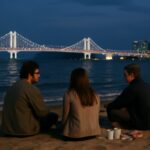
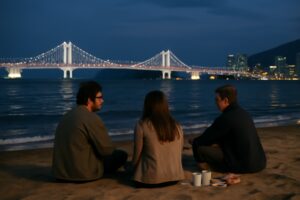
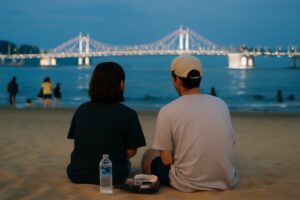
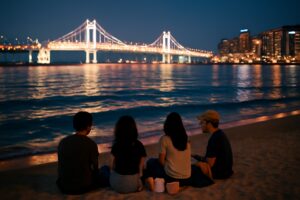
Gwangalli is where Busan’s sea breeze meets city energy. The beach itself is relaxed, but the real show starts near sunset when Gwangan Bridge begins to glow and the waterfront cafés fill up with locals.
Why it’s worth visiting: It’s one of the easiest places to feel the “Busan mood” without planning anything—just sand, skyline, and a long promenade that begs for a slow walk.
- Best time: Arrive 45–60 minutes before sunset to grab a spot on the sand, then stay for the bridge lights.
- Budget-friendly tip: Skip pricey beach bars and pick up convenience store snacks (ice cream + canned coffee is a classic) to enjoy on the seawall.
- Guesthouse tip: Ask your host if there’s a weekly meetup or casual pub crawl around Gwangalli—this area is made for easy social nights.
2) Jagalchi Market + Nampodong for a Choose-Your-Own Food Crawl
If you want the famous seafood experience without committing to a formal restaurant right away, start in Jagalchi and let your appetite steer you. The surrounding Nampodong area is packed with street snacks, small eateries, and shopping streets that feel busy in a fun, not overwhelming, way.
Why it’s worth visiting: This is Busan’s everyday food culture on full volume—fresh seafood counters, sizzling griddles, and the kind of browsing that ends with you eating something you’ve never tried before.
- What to eat: Grilled eel, sliced raw fish (hoe), spicy fishcake skewers, hotteok (sweet filled pancake) in the nearby streets.
- Practical tip: Go earlier in the day for market browsing, then return at dinner when the streets feel livelier.
- Money tip: Keep some cash for snacks; stalls move fast and it’s just easier.
3) Huinnyeoul Culture Village: A Cliffside Walk With Quiet Views
Huinnyeoul is the kind of place that rewards going slowly. It’s a coastal village path with simple galleries, cafés, and lookout points where the sea feels close enough to touch. It’s less “big attraction,” more “gentle afternoon that turns into a core memory.”
Why it’s worth visiting: The views are cinematic, but the atmosphere stays calm—perfect if you want a break from markets and busy streets.
- How to visit: Wear comfortable shoes—there are slopes and stairs, and the best corners require a bit of wandering.
- Timing tip: Late afternoon is ideal: soft light for photos and fewer tour groups.
- Guesthouse tip: Pack a small drink and a snack from a convenience store near your base; you’ll want to sit and linger at a viewpoint.
4) Taejongdae: Easy Nature Without Leaving the City
When you want greenery and ocean cliffs in the same frame, Taejongdae delivers. It’s a park on the southern edge of Yeongdo with coastal trails, viewpoints, and that crisp “I’m finally on vacation” air.
Why it’s worth visiting: You get dramatic sea cliffs and lighthouse scenery without needing a long day trip outside Busan.
- Practical tip: If you’re tired, use the park train to save your legs and focus on the viewpoints.
- What to bring: A light layer—coastal wind can feel cooler than the city streets.
- Route idea: Pair Taejongdae with Huinnyeoul on the same day since they’re both on/near Yeongdo.
5) Seomyeon After Dark: Local Streets, Late Meals, and Easy Transit
Seomyeon isn’t one single sight—it’s a practical hub with energy. If your guesthouse is in a quieter neighborhood, a night in Seomyeon is where you’ll feel Busan’s everyday rhythm: students, office workers, couples on dates, and small places that stay open late.
Why it’s worth visiting: It’s one of the easiest areas for casual dining, bar hopping, and people-watching, and it’s well connected by subway.
- What to do: Find a small pork soup (dwaeji gukbap) spot, then wander the side streets for dessert cafés.
- Practical tip: Screenshot your guesthouse address in Korean before heading out; it helps if you need to show a taxi driver later.
- Budget tip: Many casual Korean meals are great value—especially soups and shared dishes.
6) A Simple Day Trip: Haedong Yonggungsa Temple by the Sea
Most temples sit in forests or on mountains. Haedong Yonggungsa sits by the ocean, which makes it feel uniquely Busan. Even if you’re not usually a “temple person,” the setting does the work—waves, stone paths, and sea air turning a quick visit into a full reset.
Why it’s worth visiting: It’s one of the most photogenic, first-timer-friendly trips you can do without complex planning.
- Best time: Go early to avoid the biggest crowds and to get cleaner photos.
- Practical tip: Combine with a nearby coastal café or a quick stop in the Haeundae area if you want to make a full day of it.
- Guesthouse tip: Ask your host the easiest bus/subway combo from your neighborhood—routes vary depending on where you’re staying.

No comment yet, add your voice below!